Amazon Music Charts: How They Work + Where To Find Them
Today
Every streaming platform ranks music differently, and Amazon Music charts are no exception. Whether you're tracking which EDM tracks are climbing the ranks or checking if your favorite producer just hit a milestone, these charts offer a real-time snapshot of what listeners are playing right now across one of the biggest music platforms in the world.
At RIKIO ROCKS, we cover the electronic dance music scene daily, and part of staying informed means knowing where your favorite artists stand on major platforms. Amazon Music has quietly built a massive listener base, and its charting system reflects trends that sometimes look very different from Spotify or Apple Music rankings.
This guide breaks down exactly how Amazon Music charts work, what data drives them, where to find them today, and why they matter if you're keeping tabs on the EDM scene, or any genre, for that matter. We'll also look at the different chart types Amazon offers and what each one actually tells you.
Why Amazon Music charts matter for fans and artists
Charts are not just decoration. When you look at amazon music charts, you get a direct window into what millions of listeners are actively choosing to play, not what radio stations are pushing or what editorial teams decided to feature this week. Amazon bases its rankings on real listener behavior, which means positions shift continuously and reflect genuine, unfiltered demand rather than promotional influence alone.
That distinction matters more than it might seem. Many streaming charts are shaped heavily by algorithmic playlist placements or paid promotional arrangements between labels and platforms. Amazon's approach leans more heavily on actual purchase and streaming activity, giving the charts a different character compared to other services. If a track is climbing on Amazon, real people pulled it up themselves.
What charts tell fans in real time
If you follow EDM or any genre closely, you already know how fast a track can rise after a major festival set or a surprise collaboration drops. Amazon Music charts let you spot those momentum shifts immediately, rather than waiting for a weekly music publication to catch up. You can filter by genre, check which new releases are gaining traction, and use that information to shape your playlists or simply decide what to listen to next.
Charts also help you compare an artist's performance across different release cycles and timeframes. If a producer drops a new album, you can watch how it enters the rankings, whether it climbs steadily or peaks fast and fades. That pattern tells you something meaningful about how the audience is actually responding, which raw stream totals alone rarely reveal because those numbers are often delayed or obscured by how platforms aggregate them.
What charts mean for artists and their teams
For artists and their management teams, chart position is a concrete metric that directly affects booking fees, press coverage, and label conversations. A strong chart entry on Amazon Music signals to promoters and industry decision-makers that a release has genuine traction. This matters especially for independent artists and producers who lack mainstream radio support but can still demonstrate listener engagement through streaming chart data.
A chart position on a major platform like Amazon Music can carry more weight in booking negotiations than raw stream counts, because it shows your music competed against everything else available at that exact moment.
Your label or distributor will also use these numbers when deciding how much marketing investment to put behind future releases. If your last EP charted well on Amazon, that creates a documented case for increased promotional spending. Understanding the difference between a Best Sellers chart position and a New Releases chart position matters too, because each one signals something different to the industry about where your audience is actually coming from and how loyal they are.
Where to find Amazon Music charts today
Amazon makes its chart data publicly accessible, and you do not need a paid subscription to browse most of it. Whether you use the mobile app, a desktop browser, or an Amazon device, the path to finding current rankings is straightforward once you know where to look.
Finding charts inside the Amazon Music app
Open the Amazon Music app on your phone or tablet and navigate to the Browse section, usually found in the bottom navigation bar. From there, look for the Charts or Top Charts section, which displays current rankings organized by overall popularity and genre. The app updates these lists frequently, so the positions you see reflect recent listener activity rather than a static weekly snapshot.
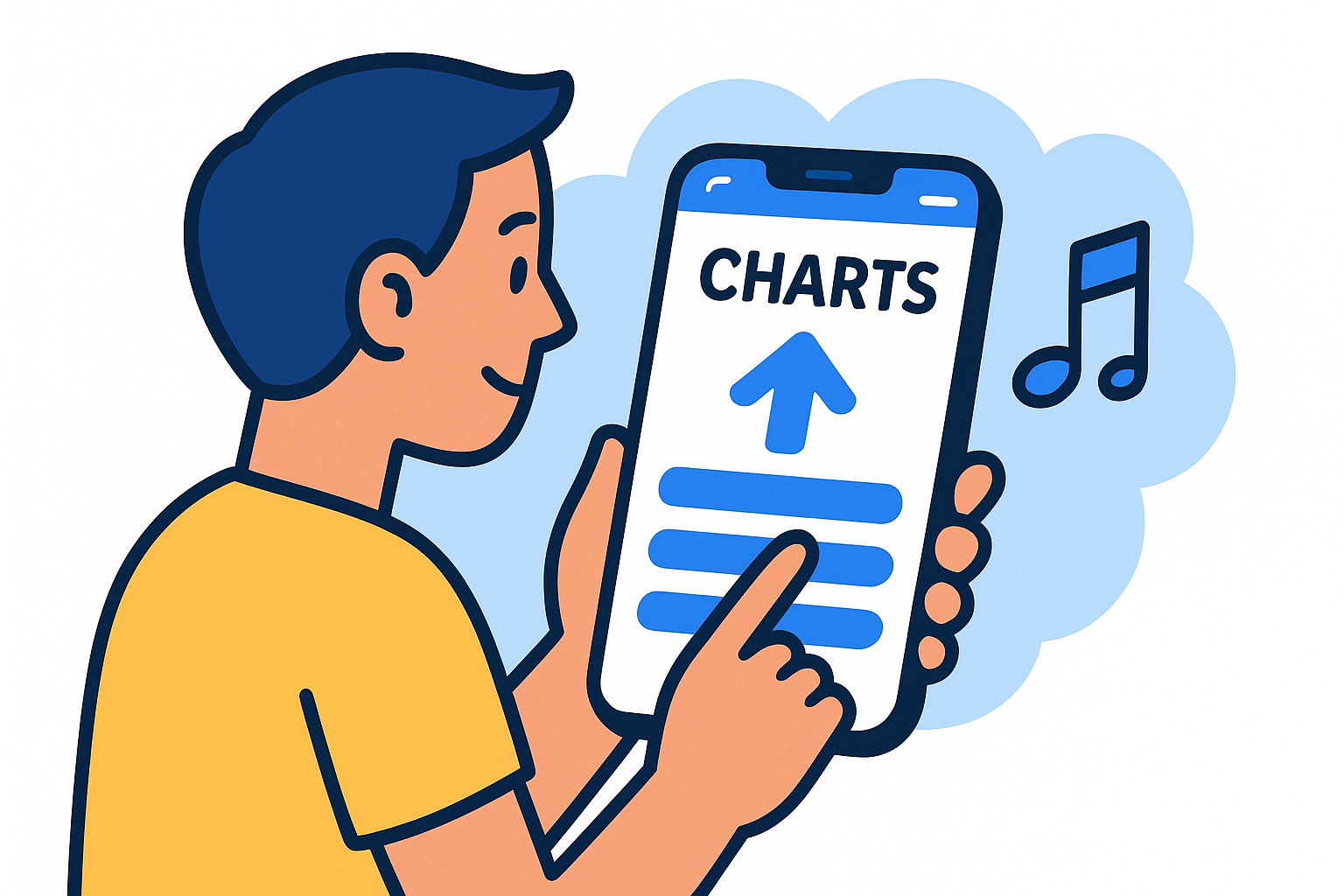
The mobile app is the fastest way to check live chart movement, because it pulls data more frequently than the Amazon website does.
You can also search directly for "charts" in the app's search bar, which will surface the current top lists without requiring you to navigate through menus. This shortcut works well when you want to check a specific genre quickly, such as Electronic or Dance, without scrolling through broader categories.
Finding charts on the Amazon website
On a desktop or laptop, visit music.amazon.com and look for the Browse or Charts option in the top navigation. Amazon organizes its chart pages by format, separating streaming rankings from digital purchase best-sellers. Both are worth checking because they can tell you different things about the same release, particularly whether a track is being bought outright or primarily streamed.
The website view gives you a slightly broader layout, making it easier to compare multiple chart categories side by side and spot patterns across genres and release types.
Browsing by genre to narrow your results
Once you access the main chart page, use the genre filter to narrow the amazon music charts down to categories like Electronic, Dance, or House. This is where the data becomes most useful for EDM fans specifically. Genre charts show you which tracks are leading within a particular scene, not just which pop releases dominate the overall top ten.
Amazon typically lists the top 100 entries per genre, giving you a detailed view of where momentum is building at any given moment.
How Amazon Music ranks songs and albums
Amazon does not publish a single formula that explains exactly how every chart position gets calculated, but the core inputs are streaming plays and digital purchase activity. Both signals feed into the rankings, and the weight each one carries depends on which specific chart you are looking at. Understanding that distinction helps you read the amazon music charts more accurately instead of treating every list as if it measures the same thing.
How streaming activity feeds the rankings
When a listener plays a track on Amazon Music Unlimited or through the ad-supported free tier, that play registers as a data point in the ranking system. Repeated plays from the same listener count, but the algorithm applies diminishing weight to avoid letting a single superfan skew the entire chart. What matters most is broad, consistent engagement across a large number of unique listeners over a rolling time window, which is why tracks that sustain attention after release week often hold their positions longer than those with a spike-and-drop pattern.
A track that gets played steadily across many different listener accounts carries more chart weight than one that gets looped obsessively by a small group.
Amazon also factors in velocity, meaning how quickly streams accumulate over a short period. A new release that gains 50,000 streams in its first 48 hours will rank higher than an older track with the same total, because the system rewards current momentum rather than historical totals.
How purchases factor in separately
Digital downloads still exist on Amazon, and purchase data feeds directly into the Best Sellers rankings rather than the streaming charts. When someone buys a track or album outright through the Amazon Music store, that transaction counts as a separate ranking signal. This matters because a release can rank high on the Best Sellers list while barely appearing on the streaming charts, or vice versa, depending on how its audience prefers to consume it.
For EDM releases specifically, digital purchase behavior can reveal a dedicated fan base willing to own the music permanently, which tells artists and labels something different about audience loyalty compared to passive streaming numbers alone.
The main chart types you will see on Amazon
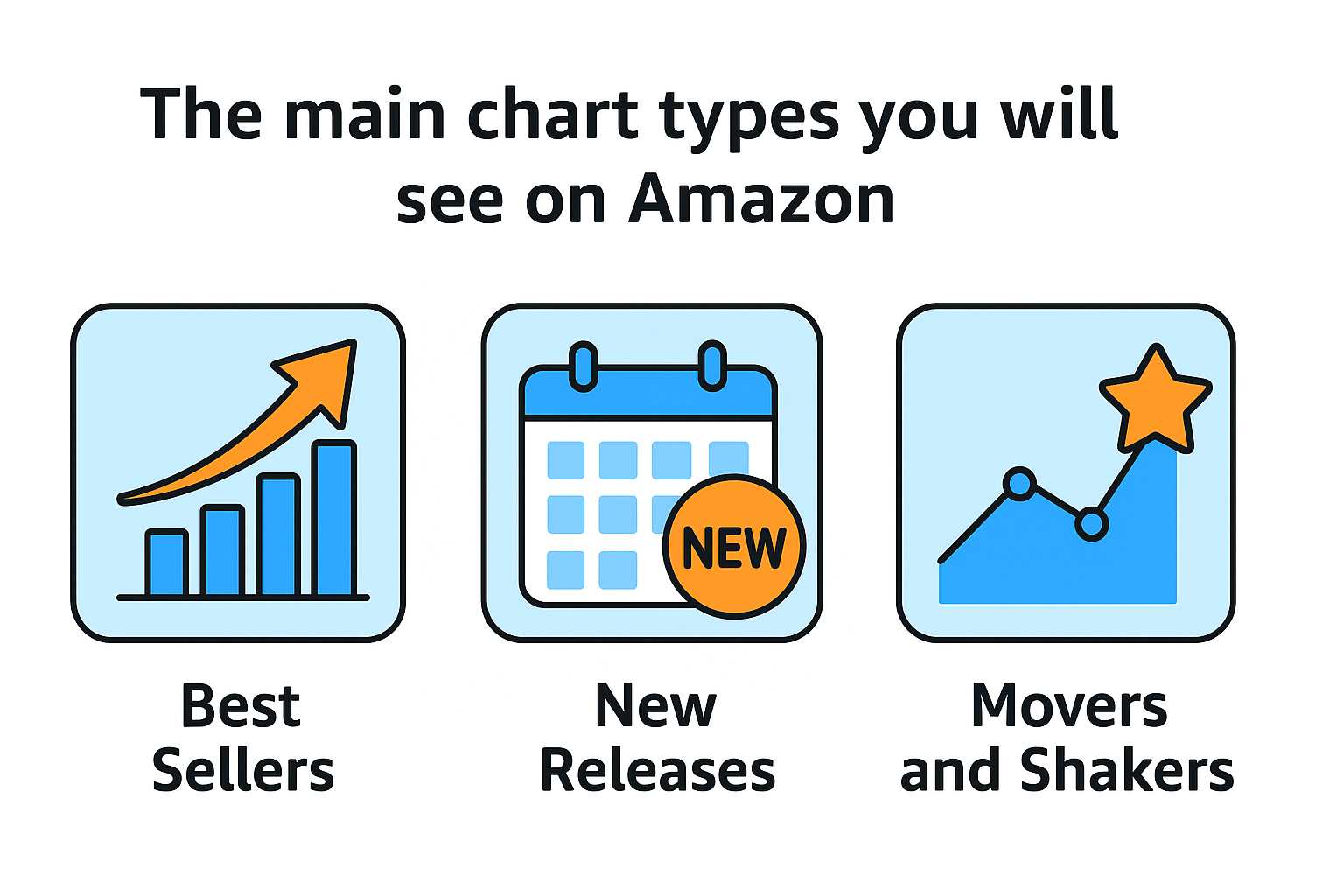
Amazon does not run a single unified chart. Instead, it splits its rankings into distinct chart types, each measuring a different aspect of listener and buyer behavior. Knowing which list you are looking at helps you draw the right conclusions from the data, especially when you are tracking movement in a specific corner of the amazon music charts like electronic or dance.
Best Sellers chart
The Best Sellers chart ranks songs and albums based on digital purchase volume. When listeners buy a track or full album through the Amazon Music store, that transaction pushes the release up this list. This chart is one of the oldest ranking formats Amazon offers, and it still carries weight because it reflects listeners who committed money to own the music rather than just stream it passively.
A high Best Sellers ranking often signals a dedicated fan base, not just casual listeners who stumbled onto a track through a playlist.
You can browse Best Sellers by genre or format, separating individual tracks from full albums. This makes it easy to check whether an EDM artist's latest release is gaining ground among buyers, not just streamers.
New Releases chart
The New Releases chart focuses specifically on music that dropped recently, typically within the past few days or weeks. This list is useful for spotting which fresh tracks are gaining traction fast rather than competing against catalog titles that have had years to accumulate plays and purchases. Amazon refreshes this list regularly, so you get an early read on which debuts are connecting with listeners before the numbers settle into the broader Best Sellers rankings.
Movers and Shakers chart
The Movers and Shakers chart tracks the biggest percentage gains in ranking over a short period, usually 24 hours. A track sitting at number 400 that suddenly jumps to number 50 will appear here even if it does not crack the overall top ten. This list is particularly useful for catching momentum early, because it surfaces releases that are picking up speed rather than those already established at the top.
How to track stats in Amazon Music for Artists
Amazon Music for Artists is a free dashboard that gives musicians and their teams direct access to streaming data, listener demographics, and chart performance in one place. If you release music on Amazon, this tool is the clearest way to see how your tracks perform relative to the broader amazon music charts without relying on third-party estimates or delayed reports from your distributor. Artists across every genre use it to make informed decisions about touring, marketing, and release timing.
Setting up your Amazon Music for Artists account
Getting access requires claiming your artist profile through the Amazon Music for Artists portal at artists.amazon.com. You will need to verify that you own or manage the artist page, which typically happens through your distributor or label submitting a request on your behalf. Independent artists can also apply directly if they have released music through a distributor that delivers to Amazon Music.
Once your account is active, you get access to streaming totals, listener counts, and geographic breakdowns showing exactly where your audience is located across different time ranges, from the past seven days all the way back through the full history of a release. Setting this up before your next release means you will have baseline data ready to compare against from day one.
What the dashboard shows you
The dashboard breaks your data into several distinct views. You can check real-time stream counts as they accumulate across individual tracks and albums, which lets you monitor a new release hour by hour rather than waiting for a weekly summary to arrive.
Real-time data is especially valuable in the first 48 hours after a release, when streaming velocity matters most for chart positioning.
Beyond raw play counts, you can review listener demographics including age range, gender, and location, which helps you make smarter decisions about where to focus tour routing or paid advertising spend. The platform also surfaces which of your songs listeners add to personal playlists most frequently and which tracks are generating new followers versus one-time plays. That difference tells you which releases are building a loyal audience rather than just producing a short spike before fading back into the catalog.
Common chart questions and common confusion
If you spend any time browsing amazon music charts, you will run into a few recurring points of confusion. Most of them come from assuming that all chart types measure the same activity or update on the same schedule, which they do not. Understanding the distinctions up front saves you from drawing the wrong conclusions when you see a track ranked high on one list and absent from another entirely.
Does Amazon Music count streams from free listeners?
Amazon offers music access through Amazon Prime membership as well as its fully paid Unlimited tier. Both generate streaming data that feeds into the chart rankings, so free-tier and Prime listeners contribute counts alongside paying subscribers. The key difference is that Prime access covers a more limited catalog, meaning some tracks are only available to Unlimited subscribers. A song locked behind the Unlimited paywall will accumulate fewer plays simply because fewer listeners can reach it, which can push its chart position lower despite genuine audience interest among paying users.
Do not assume a lower chart position means lower overall popularity if the release has restricted access settings tied to subscription tier.
Why does a song appear on one chart but not another?
This trips up a lot of people. Streaming charts and purchase charts pull from completely separate data sets, so a track that tops the streaming list might not appear in the Best Sellers rankings at all if listeners play it without buying it. The reverse also happens frequently with catalog releases from established artists, where a loyal fan base drives strong purchase numbers while streaming activity stays modest because casual new listeners have moved on to newer material.
How fast do chart positions change?
Amazon refreshes its chart data more frequently than traditional weekly music charts do. Positions can shift within hours rather than waiting for a fixed weekly reset. This means that checking the rankings on a Monday morning and then again on Tuesday afternoon can show meaningfully different results, especially in the days immediately following a major release or after a prominent playlist placement drives a sudden surge in plays. If you manage an artist account, setting up real-time tracking through Amazon Music for Artists is the most reliable way to catch position changes as they happen rather than checking manually throughout the day.
Quick recap and next steps
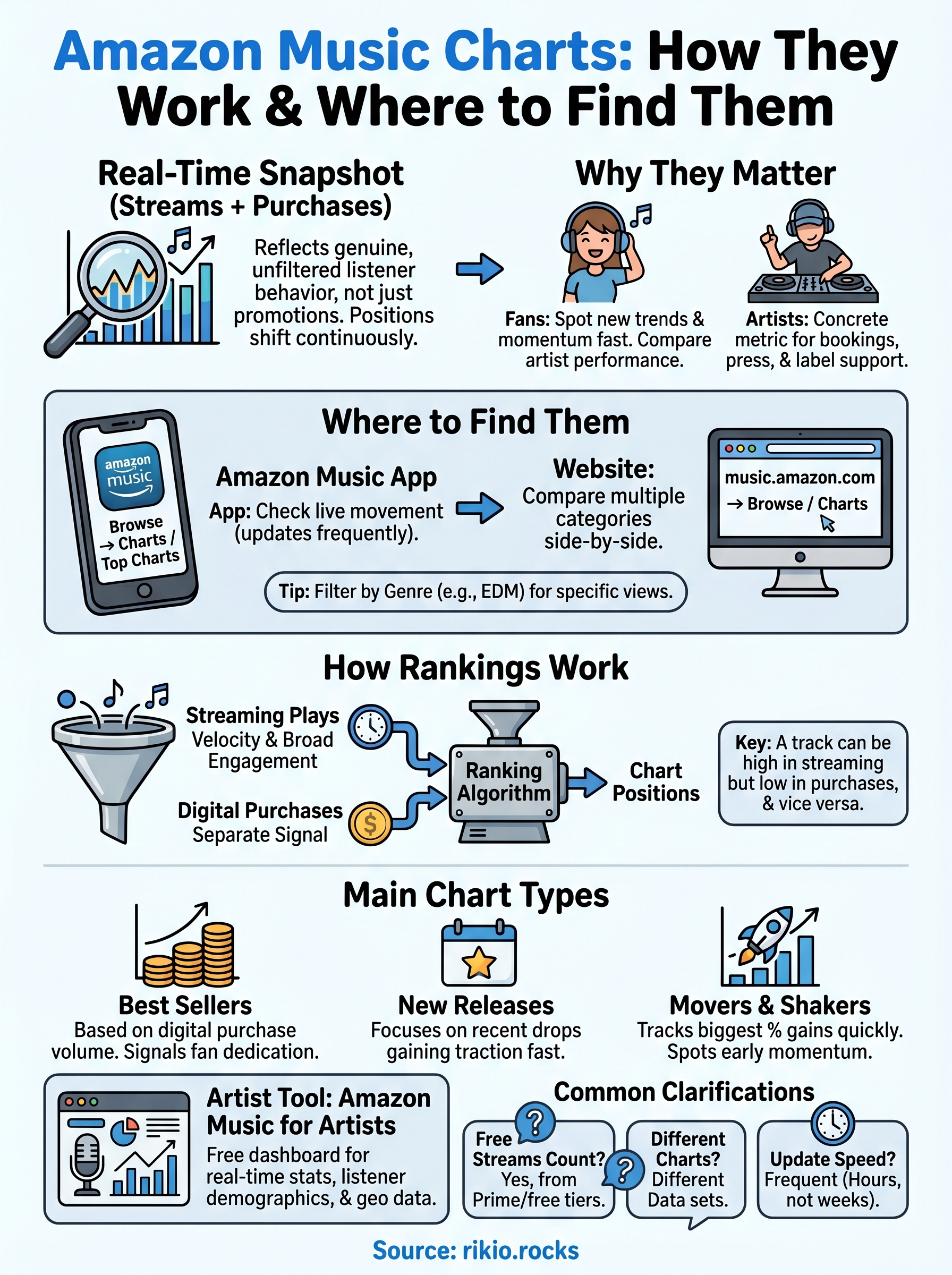
Amazon Music runs multiple chart types that each measure different listener behaviors, and knowing which list you are reading changes how you interpret the data. Best Sellers rankings track purchase activity, streaming charts reflect play counts across subscription tiers, and the Movers and Shakers list surfaces momentum before a release breaks into the top ten. You can access all of this publicly through the app or website, and if you release music yourself, Amazon Music for Artists gives you a direct view of how your tracks perform within those rankings.
Keep checking amazon music charts regularly if you want to catch rising EDM tracks early, before they hit the mainstream conversation. Pair that habit with following dedicated music communities that surface new releases daily. If you want a ready-made playlist to fuel your next workout session while you explore new music, check out our CARDIO HITS 2026 playlist on Spotify and keep your energy moving.
20