Best All-in-One DJ System: 10 Standalone Picks for
2025
You want to DJ without dragging a laptop everywhere. Maybe your computer crashed mid-set once too many times. Or you're tired of software updates breaking your workflow right before a gig. Standalone DJ systems solve this by packing everything you need into one unit. No laptop. No cables snaking across your setup. Just plug in your USB drive and start mixing.
This guide breaks down the 10 best all-in-one DJ systems you can buy in 2025. We cover options for every type of DJ, from club professionals who need that industry standard workflow to mobile DJs hunting for portability and built-in batteries. Each system gets evaluated on its features, performance, and whether it actually delivers value for the price. You'll find out which units work best for your specific needs, what compromises you'll make at different price points, and which features matter most when you're choosing between Rekordbox and Engine DJ ecosystems.
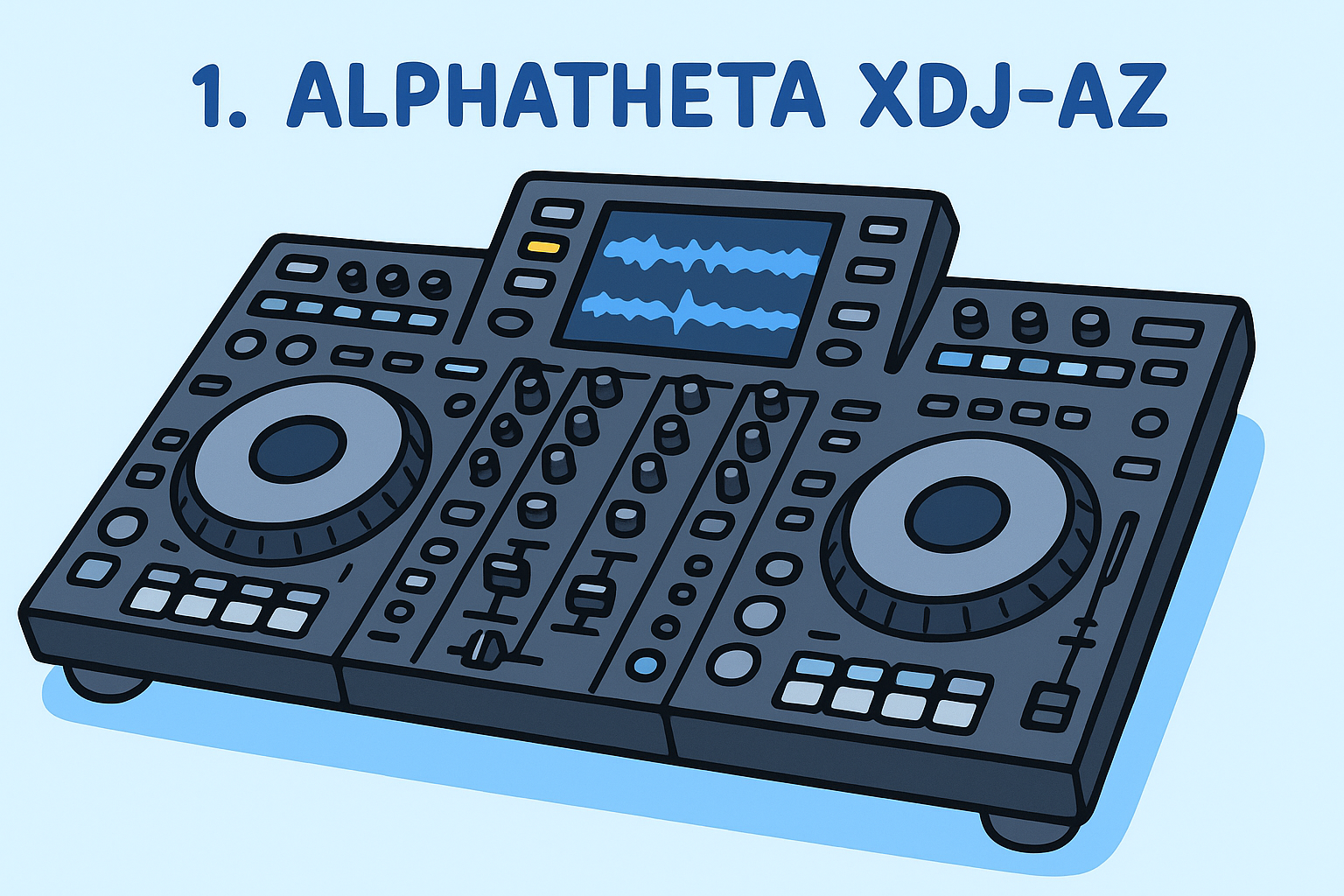
1. AlphaTheta XDJ-AZ
The XDJ-AZ delivers what working DJs actually wanted when Pioneer DJ rebranded to AlphaTheta. Instead of the divisive Opus Quad design, you get a familiar CDJ-style layout with genuine four-channel standalone mixing from USB or cloud sources. This unit replaced the XDJ-XZ and fixed its biggest limitation by letting you play four tracks simultaneously without needing a laptop. You can mix music from USB drives, stream from your Dropbox library through CloudDirectPlay, pull tracks from Beatport, or plug it into your laptop running Rekordbox or Serato when you need software control.
Overview and standout features
AlphaTheta packed this system with a next-generation touchscreen that matches the quality you'll find on the Opus Quad and XDJ-RX3. The processor runs significantly faster than the old XDJ-XZ, which means smoother waveform scrolling and snappier response when you're loading tracks during a busy set. WiFi connectivity opens up cloud library access without ethernet cables, while the built-in wireless transmitter lets you DJ with AlphaTheta's HDJ-F10 SonicLink headphones completely cable-free. The unit also functions as a standalone mixer for CDJs, turntables, or other external gear through its four assignable inputs.
Workflow and performance
This system mimics pro club gear down to the layout and feel, giving you the same muscle memory you'd use on CDJ-3000s. You get all the performance features from Pioneer's flagship mixers, though they did drop the FX send/return from the XDJ-XZ. The single Ethernet port for Pro DJ Link means you'll need a hub if you want to connect multiple CDJs, but most DJs using this as their main system won't miss that feature.
The XDJ-AZ gives you a CDJ-3000 experience without the five-figure price tag.
Who should pick this system
Working DJs who want industry-standard workflow and true four-deck capability should grab this unit. You'll appreciate it if you play venues that sometimes have CDJs and sometimes don't, since the familiar layout translates directly. Mobile DJs who need rock-solid reliability and the flexibility to switch between standalone and software modes will also find this system fits their needs perfectly.
Price and value for money
You'll pay $3,199 for the XDJ-AZ, which positions it at the top end of standalone systems. That price gets you professional build quality, the workflow that most clubs use, and enough features to handle any gig type. The unit costs less than buying separate CDJs and a mixer while giving you more flexibility with its multiple music sources and controller functionality built in.
2. Denon DJ Prime 4+
Denon DJ built the Prime 4+ as their answer to the best all in one dj system you can buy without spending Pioneer DJ money. You get true four-channel standalone mixing right out of the box, something the XDJ-XZ couldn't deliver. This unit runs Engine DJ software and gives you direct access to streaming services through built-in WiFi, putting millions of tracks at your fingertips without touching a laptop. The system also works with Serato if you prefer software control, and it even reads Rekordbox-analyzed USB drives, which lets you share libraries between different DJ ecosystems.
Overview and standout features
The Prime 4+ sports a 10-inch HD touchscreen that tilts for optimal viewing angles during your sets. You can load music from four USB ports, an SD card slot, or install a 2.5-inch SATA hard drive directly inside the unit for your entire library. Streaming services include Amazon Music, TIDAL, Beatport, Beatsource, and SoundCloud, all accessible over WiFi or Ethernet. The system includes stems separation for isolating vocals, drums, bass, and melodies on compatible tracks, plus a powerful sampler and the full suite of effects from Denon's X1850 Prime mixer. You can expand into a four-deck setup by adding two LC6000 Prime controllers, and the unit even controls SoundSwitch lighting systems and smart home lights directly from the interface.
Workflow and performance
Engine DJ gives you a computer-like embedded operating system that updates regularly with new features. The interface runs smooth and responsive, though the workflow differs significantly from CDJ-standard layouts. You prep your music using free Engine DJ desktop software, which creates beatgrids, analyzes keys, and builds your playlists. The system lets you record your sets to any connected USB drive or SD card in uncompressed WAV format. Performance features include hot cues, loops, rolls, and slicer effects that respond instantly to your touch.
The Prime 4+ packs more features per dollar than any competing system on the market.
Who should pick this system
Mobile DJs who need maximum flexibility and don't care about club standard layouts should grab this unit. You'll appreciate the streaming integration if you take requests, and the zone output lets you send different audio to separate rooms during weddings or corporate events. The SoundSwitch integration makes this perfect for DJs who want synchronized lighting control without extra gear.
Price and value for money
You'll pay $2,199 for the Prime 4+, which undercuts Pioneer's four-channel offerings by a thousand dollars or more. That price includes features like stems and streaming that cost extra on competing systems. The unit delivers professional build quality with 6-inch jog wheels that feel solid during aggressive scratching and mixing.
3. Pioneer DJ Opus Quad
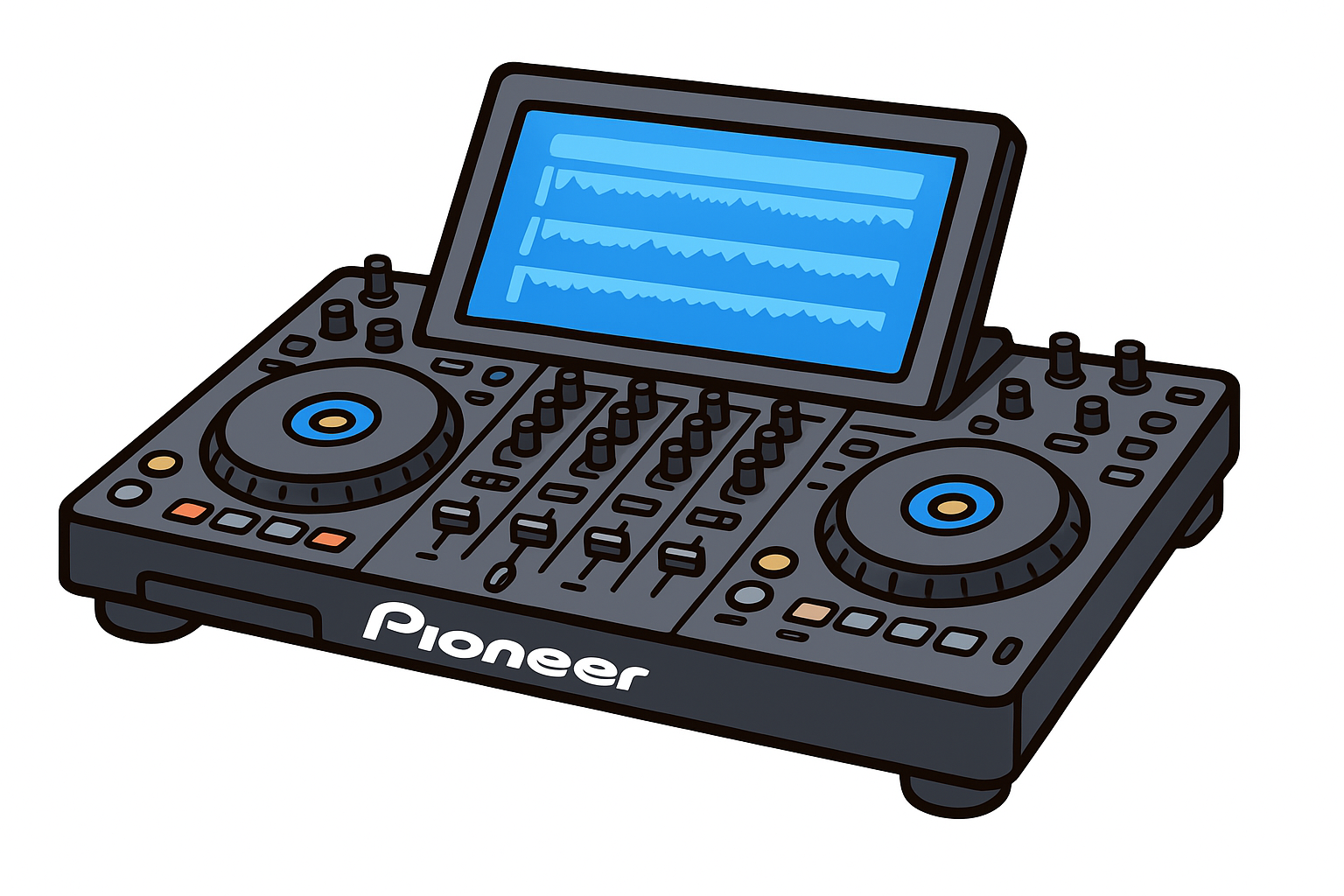
Pioneer DJ surprised everyone by launching the Opus Quad instead of updating their XDJ-XZ. This system breaks from traditional DJ gear aesthetics with a striking design that looks more like a piece of modern furniture than a typical controller. The massive 13-inch touchscreen dominates the center of the unit, giving you a workflow that feels closer to using a tablet than conventional CDJs. Pioneer built this as their first true four-channel standalone system, and they packed it with computer-based internals that let them add features through software updates instead of forcing you to buy new hardware.
Overview and standout features
The Opus Quad gives you four-deck standalone playback from USB drives or cloud sources without touching a laptop. You access music through CloudDirectPlay (streaming your Dropbox library), Beatport for purchasing tracks on the fly, and TIDAL for unlimited streaming catalog access. That streaming variety makes this the best all in one dj system for mobile DJs who take requests at weddings and corporate events. The interface runs on next-generation embedded technology that Pioneer can update remotely, which means the system gains new capabilities over time instead of becoming obsolete.
Workflow and performance
Your interaction with this system centers around that huge touchscreen, which completely changes how you browse and load tracks compared to CDJ-style systems. The interface responds instantly to touch gestures, and the high-resolution display shows detailed waveforms with crystal-clear colors. Performance features include all the effects and tools you'd find on professional Pioneer mixers, though you'll need to adapt to the non-standard layout if you're used to CDJ muscle memory.
The Opus Quad represents Pioneer's boldest departure from club standard design in decades.
Who should pick this system
Mobile DJs who prioritize streaming integration and modern aesthetics should consider this unit. You'll appreciate the TIDAL access for handling requests and the stylish design that impresses clients at upscale events. Skip this if you need traditional CDJ workflow or plan to transition between this and club installations regularly.
Price and value for money
You'll pay $3,199 for the Opus Quad, matching the XDJ-AZ's price while offering different strengths. The streaming services and updatable platform justify the cost for DJs who value those features over traditional layouts.
4. Pioneer DJ XDJ-RX3
The XDJ-RX3 became Pioneer's most popular standalone system because it delivers exactly what most DJs need without extra complexity or cost. This two-channel unit gives you club standard workflow in a compact package that feels right at home in both bedrooms and smaller venues. Pioneer built this as the third generation of their RX series, and they finally upgraded the screen to a proper 10-inch display that matches modern expectations. You get CDJ-style controls, Rekordbox integration, and the option to work with Serato or VirtualDJ when you need software control.
Overview and standout features
Pioneer equipped this system with a 10-inch touchscreen that runs significantly faster than previous RX models. The display shows detailed waveforms in Rekordbox's tri-color format, displays musical key information, and responds instantly when you're browsing through large libraries. You can load music from two USB ports or an SD card slot, and the system analyzes everything through Rekordbox software on your computer before your sets. The unit includes booth and master outputs with balanced XLR options, plus two microphone inputs for announcements or live vocals. Pioneer also built in standalone mixer functionality, which lets you connect turntables or CDJs directly to the inputs.
Workflow and performance
Your mixing happens through full-size channel controls that mirror the layout of professional Pioneer mixers. The jog wheels feel smaller than CDJ-3000s but deliver smooth response during scratching and beatmatching. Performance features include hot cues, loops, and the complete set of effects from Pioneer's professional mixer line, though the system notably lacks key shift and key sync capabilities that competitors offer at this price point.
The XDJ-RX3 shows up in more small to medium venues than any other standalone system.
Who should pick this system
DJs who want industry standard workflow without four-channel complexity should grab this unit. You'll appreciate it if you play venues that already use Pioneer gear, since the muscle memory translates directly. This works perfectly for bedroom DJs who eventually want to transition into club bookings where Rekordbox dominates.
Price and value for money
You'll pay $2,099 for the XDJ-RX3, positioning it as a mid-range option that delivers professional features without the premium cost of four-channel systems. That price includes the best all in one dj system experience for DJs who stick with two-deck mixing and value Pioneer's reputation over cutting-edge features like stems or extensive streaming options.
5. Denon DJ SC Live 4
Denon DJ created the SC Live 4 as a bridge between their professional Prime series and consumer-focused Numark gear. This system gives you four-channel Engine DJ control in a plastic housing that costs significantly less than the Prime 4+. You get the full desktop layout with built-in speakers that actually sound decent, making this unit work for both practice sessions and smaller gigs. The system runs strictly as software control with no external inputs except microphone jacks, which means you can't connect turntables or CDJs like you would on higher-end Denon gear.
Overview and standout features
The SC Live 4 sports a 7-inch touchscreen that feels cramped compared to the Prime 4+'s 10-inch display, but it still gives you access to the complete Engine DJ ecosystem. You load music from USB drives or SD cards, and the built-in WiFi connects you to streaming services including Amazon Music, TIDAL, Beatport, Beatsource, and SoundCloud. The plastic construction keeps weight down while the four-channel mixer section delivers the same layout you'll find on professional Denon systems. Those built-in speakers pump out enough volume for bedroom practice and livestreaming, though you'll want to connect proper monitors or PA systems for actual gigs.
Workflow and performance
Engine DJ powers your entire mixing experience with the same software that runs on the Prime 4+. You prep tracks using the free desktop application, and the system responds quickly despite the smaller processor. Performance features include hot cues, loops, stems separation on compatible tracks, and the full effects suite from Denon's professional mixers.
The SC Live 4 delivers Prime-level features at nearly half the cost of the flagship.
Who should pick this system
Livestreamers and serious hobby DJs who want four-channel capability without professional price tags should grab this unit. You'll appreciate the built-in speakers for quick practice sessions and the full Engine DJ experience that lets you grow into more complex mixing techniques.
Price and value for money
You'll pay $1,299 for the SC Live 4, making this the most affordable four-channel standalone system you can buy. That price delivers Engine DJ's complete feature set including stems and streaming, though you sacrifice the Ethernet port, external inputs, and premium build quality of higher-end Denon gear.
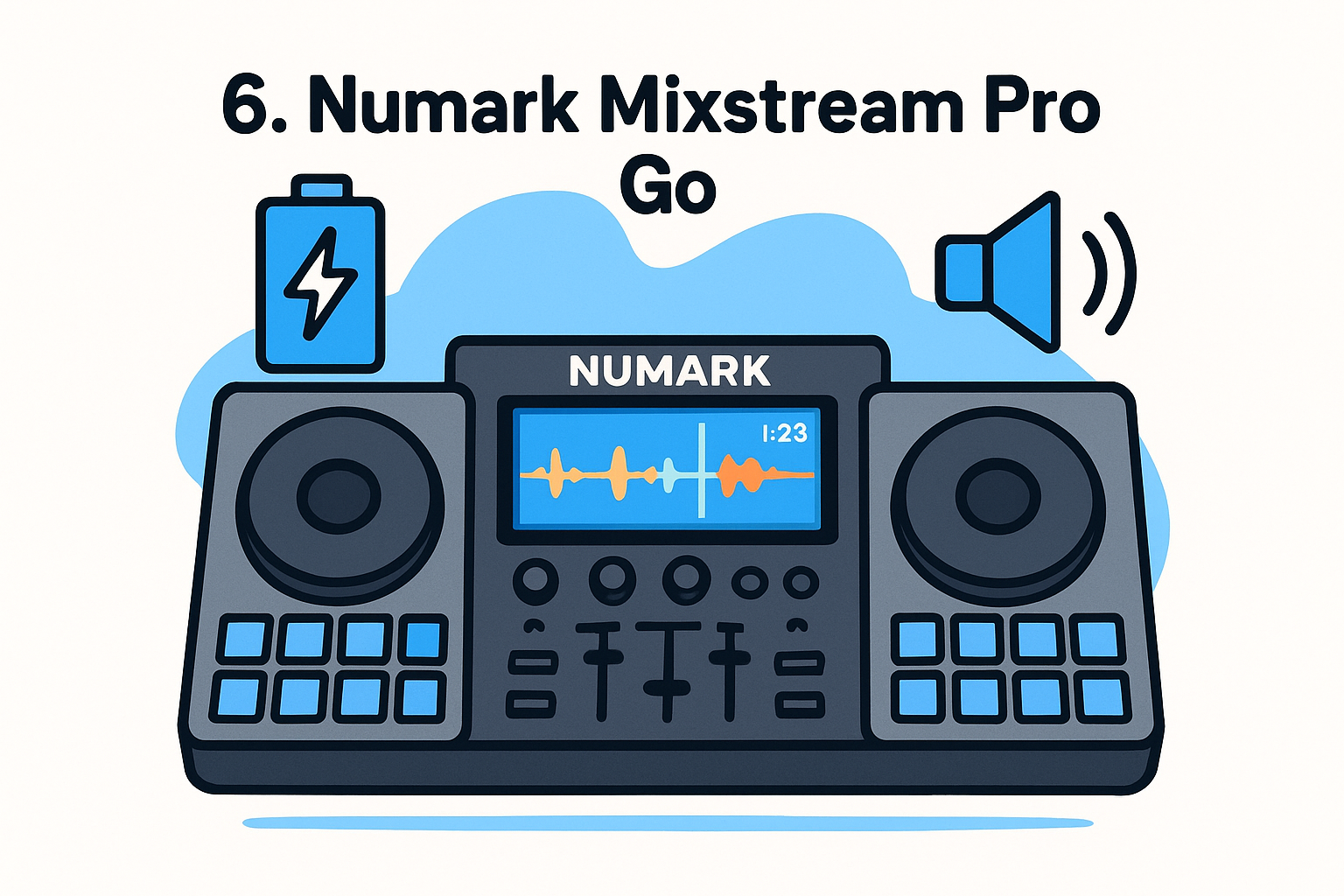
6. Numark Mixstream Pro Go
Numark packed the Mixstream Pro Go with two features that transform standalone DJing: a built-in rechargeable battery and onboard speakers. This Engine DJ powered system gives you the same software capabilities as the Prime 4+, but wraps everything in a portable package that weighs about as much as a laptop. You get genuine freedom to practice anywhere without hunting for power outlets or dragging monitors around. The speakers won't rock a full party, but they deliver surprisingly good sound quality for bedroom sessions and small gatherings with friends.
Overview and standout features
This system runs the complete Engine DJ ecosystem with access to streaming services including Amazon Music, TIDAL, Beatport, Beatsource, and SoundCloud. You load music from USB drives or SD cards, and the 5-hour battery life gives you multiple practice sessions before you need to recharge. The two-channel layout includes performance pads, EQ controls, and paddle-style effects that respond quickly during your sets. WiFi connectivity opens up cloud library access without ethernet cables, while the mic input lets you make announcements or add live vocals to your mixes.
Workflow and performance
Engine DJ delivers the same preparation workflow you'll find on professional Denon gear. You analyze tracks on your computer using the free desktop software, which creates beatgrids and identifies musical keys before you load them onto your USB drive. The system responds smoothly when you're browsing large libraries, and the touchscreen interface makes track searching straightforward even during busy sets.
The Mixstream Pro Go brings professional standalone DJing under the $1,000 barrier for the first time.
Who should pick this system
DJs who want maximum portability and the ability to practice anywhere should grab this unit. You'll appreciate how easily it fits into a backpack for travel, and the battery power means you can DJ outdoors or in locations without convenient power access.
Price and value for money
You'll pay $839 for the Mixstream Pro Go, making this the best all in one dj system value in the portable category. That price delivers Engine DJ's complete feature set with streaming integration, battery power, and speakers that similar systems charge hundreds more to include.
7. Denon DJ Prime Go+
Denon DJ shrunk the Prime 4+ down into a battery-powered portable system that professional DJs can throw in a backpack. The Prime Go+ delivers Engine DJ's complete feature set in a compact form factor that weighs significantly less than traditional standalone systems. This updated version adds 25% more battery life than the original Prime Go, plus a faster processor that makes browsing and loading tracks noticeably quicker during your sets. You get Bluetooth input for accepting music requests from phones and Bluetooth output for wireless monitoring, though Denon removed the Ethernet port that professionals valued on the first Prime Go.
Overview and standout features
This system packs four USB ports and an SD card slot for loading your music library, plus WiFi connectivity that gives you access to streaming services including Amazon Music, TIDAL, Beatport, and Beatsource. The two-channel layout includes full-size performance pads, three-band EQ controls, and the complete effects suite from Denon's professional mixers. Battery life stretches to several hours of continuous mixing, and the unit charges through a standard power adapter. You can also use this as a standalone mixer for external sources through the line inputs, making it versatile enough for complex setups that need additional gear.
Workflow and performance
Engine DJ powers your mixing experience with the same software that runs on the flagship Prime 4+. You prep tracks using the free desktop application, which analyzes beatgrids and musical keys before you load them onto your USB drive. Performance features respond instantly despite the compact size, and the 6-inch jog wheels feel smooth enough for serious mixing and scratching work.
The Prime Go+ works as your main system at smaller gigs or as a backup unit for larger productions.
Who should pick this system
Professional DJs who need a reliable second unit should grab this system. You'll appreciate the portability for outdoor wedding ceremonies, pool parties, or any situation where running power cables becomes difficult.
Price and value for money
You'll pay $999 for the Prime Go+, making this the best all in one dj system in the professional portable category. That price delivers Engine DJ's complete capabilities with battery power and solid build quality that survives regular transport between gigs.
8. AlphaTheta Omnis Duo
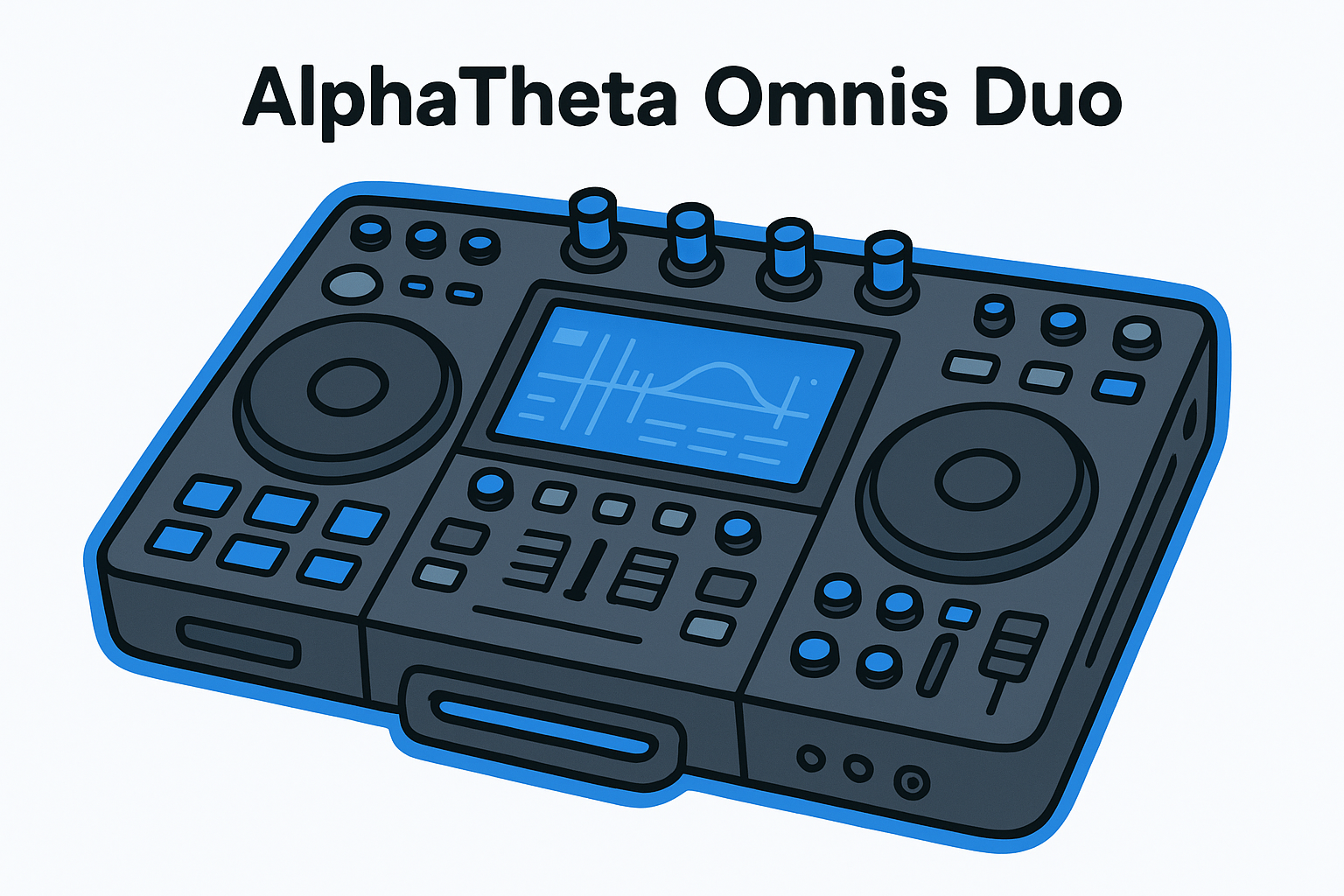
AlphaTheta launched the Omnis Duo as their first product under the new brand name, creating a portable two-channel system that competes directly with Denon's Prime Go+. This unit packs a built-in battery that delivers five hours of mixing time, plus eco mode that extends your sessions by dimming the screen and disabling wireless functions. The compact design weighs around 10 pounds and fits easily into a backpack, making this one of the most travel-friendly systems in the Rekordbox ecosystem. You can load music from USB drives, SD cards, or connect wirelessly through CloudDirectPlay to stream your Dropbox library during sets.
Overview and standout features
This system brings Bluetooth input and output to standalone DJing for the first time, which opens new workflow possibilities other manufacturers haven't matched yet. The Bluetooth input includes transport controls for managing playback from connected phones, while the output lets you monitor wirelessly through compatible headphones. AlphaTheta built this with a minimalist control layout featuring short, stubby knobs and controls that keep the footprint small without sacrificing functionality. You get booth and master outputs for flexible audio routing, plus two microphone inputs for announcements or live vocals.
Workflow and performance
Rekordbox powers your mixing through performance mode or the upcoming Serato Lite integration via USB-C. The touchscreen interface runs smoothly despite the compact processor, though the GUI differs from traditional Pioneer layouts you might recognize from CDJs or the XDJ series.
The Omnis Duo proves that professional Rekordbox DJing doesn't require a full-size console anymore.
Who should pick this system
DJs who travel frequently and want the longest battery life in the Rekordbox ecosystem should grab this unit. You'll appreciate the Bluetooth capabilities for accepting requests and the portability that lets you practice anywhere without hunting for power outlets.
Price and value for money
You'll pay $1,499 for the Omnis Duo, making this the best all in one dj system choice for DJs who value AlphaTheta's ecosystem and need genuine wireless flexibility beyond what competitors offer.
9. Pioneer DJ XDJ-RR
Pioneer DJ positioned the XDJ-RR as their entry point into standalone mixing, delivering Rekordbox functionality at half the price of the XDJ-RX3. This two-channel system strips away features like touchscreen capability and multiple inputs to focus on core mixing essentials in a compact, lightweight package. You get solid Pioneer build quality and the familiar Rekordbox workflow without the premium price tag, though the system makes clear compromises to hit that lower cost point. The unit works strictly as an in-the-box device with just one AUX input, which means you can't connect turntables or CDJs like you would on higher-end Pioneer gear.
Overview and standout features
This system gives you Rekordbox integration through performance mode only, cutting out the Serato compatibility you'll find on pricier Pioneer units. The high-quality screen displays waveforms and track information clearly, but lacks touch functionality which means you navigate libraries using physical controls instead of tapping to search. You load music from USB drives, and the compact form factor makes this easy to transport between practice sessions and small gigs. Pioneer included basic onboard effects that cover essential needs, though you get only a handful compared to the complete NXS2 effect suite on professional systems.
Workflow and performance
Rekordbox powers your entire mixing experience through the same prep workflow as flagship Pioneer systems. You analyze tracks on your computer before loading them onto USB drives, and the unit responds smoothly during navigation and playback. The jog wheels feel solid enough for basic mixing techniques, though they don't match the premium..
8